
How to Create Memes with AI in 2026: Viral Humor Made Easy
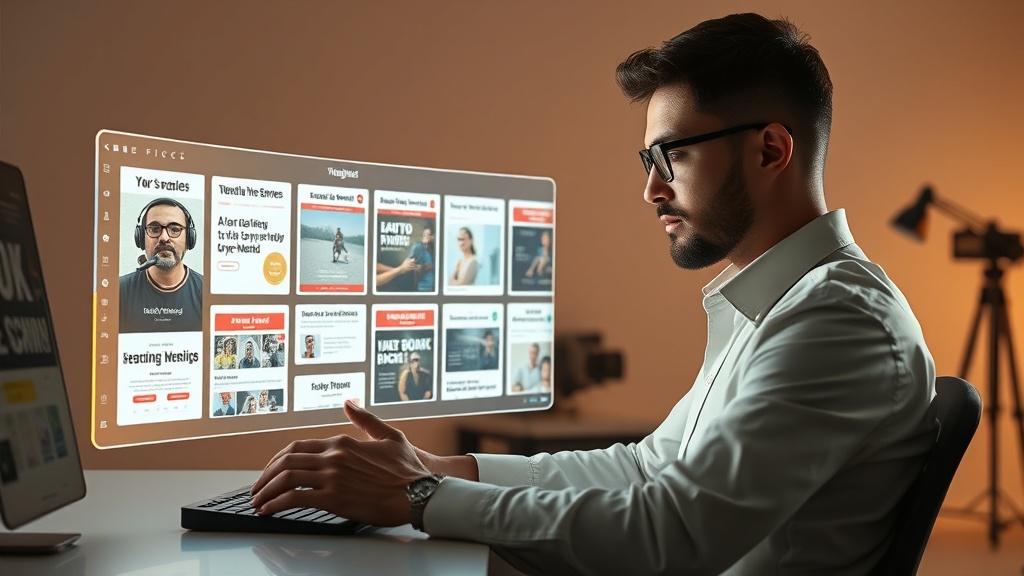
Learning how to create memes with AI in 2026 has become an essential skill for social media managers, digital creators, and brand builders looking to capture attention in a saturated digital landscape. As generative models have evolved beyond simple text-to-image capabilities, they now offer sophisticated tools for timing, cultural relevance, and visual customization that can turn a fleeting thought into a viral sensation within minutes.
The Evolution of Meme Creation in the AI Era
In the early 2020s, meme creation was largely manual: finding a template, opening a clunky editor, and manually typing text. By 2026, the workflow has shifted entirely toward generative synthesis. We no longer just "edit" images; we prompt entire visual concepts that fit the specific aesthetic of a meme format. This allows creators to iterate on jokes in real-time, matching the lightning-fast pace of internet culture.
The advantage of using AI for memes isn't just speed; it is the ability to generate high-fidelity, original imagery that avoids the "reused template" fatigue. When your audience sees a unique, high-quality visual punchline rather than the same tired stock photo, engagement metrics consistently climb. AI allows you to maintain the "meme format" structure while injecting fresh, brand-specific, or situation-specific visuals that feel native to the platform.
Why Speed and Relevance Matter Most
The lifecycle of a viral meme in 2026 is shorter than ever. If you wait three hours to design a joke, the trend has already moved on. AI tools act as a force multiplier for your creative intuition. By using LLM-integrated meme generators, you can take a trending news item or a niche community observation and visualize it before the competition even opens their design software.
Choosing Your AI Meme Stack
Not all AI tools are created equal, and your choice of software should depend on your specific goals. Some creators prefer "all-in-one" platforms that combine image generation with text overlays, while others prefer a "best-of-breed" approach, generating the base image in a high-end model and adding the punchline in a professional design tool.
When building your stack, look for tools that support "In-painting" or "Generative Fill." These features allow you to take an existing meme format and swap out the character or the background while keeping the composition identical. This is the secret to creating "meta-memes"—content that feels familiar to the viewer but is technically brand new.
| Tool Type | Best For | Typical Workflow |
|---|---|---|
| Generative Vision Models | High-quality, original assets | Prompt for scene -> Upscale -> Add text |
| Meme-Specific AI Apps | Speed and template matching | Input joke -> AI suggests layout -> Export |
| Multimodal LLMs | Brainstorming and captioning | Provide context -> Generate 10 variations |
Step-by-Step: From Concept to Viral Post
Creating a meme with AI requires a structured approach that blends technical prompting with a deep understanding of humor. You aren't just creating an image; you are creating a conversation starter. Follow this workflow to ensure your content is ready for high-traffic social feeds.
- Trend Analysis: Start by scanning your "For You" feeds or community forums for recurring formats or relatable pain points.
- The Hook: Use an LLM to generate punchy, short text captions. Aim for brevity; memes rarely succeed with long-winded explanations.
- Prompt Engineering: Describe the visual you need. Instead of "make a meme," use descriptive language: "A cinematic, slightly grainy photo of a person looking confused at a computer, high contrast, meme aesthetic."
- Iterative Refinement: Don't settle for the first result. Generate variations until the expression or the lighting perfectly matches the tone of your joke.
- Final Polish: Use a standard design app to ensure the text is readable on mobile devices. Ensure the contrast between the text and the background is high.
Mastering the Art of the "AI-Native" Look
One of the biggest mistakes creators make is trying to make AI images look too "perfect." Memes thrive on a certain level of grittiness and imperfection. If your meme looks like a high-budget commercial, it will feel out of place on platforms like X (formerly Twitter) or Reddit.
To achieve the "authentic" meme look, use prompt modifiers that emphasize texture, film grain, or specific lighting styles. Use terms like "candid photography," "low-quality webcam footage," or "smartphone photo" to ground your generations in reality. When the visual quality matches the platform's expectations, the audience is more likely to accept the content as organic rather than "corporate advertisement."
Expert Tip: The "In-Context" Strategy
Advanced creators use AI to place their specific brand products or mascots into classic meme formats. By using "LoRA" (Low-Rank Adaptation) or custom models trained on your specific imagery, you can replace the generic character in a popular meme with a version that represents your brand. This creates a powerful connection between the viral format and your identity, significantly increasing brand recall.
Handling Text and Typography within AI
While many AI image generators are getting better at rendering text, they still struggle with long sentences or specific font requirements. The best practice for 2026 is to generate the image without the text, then use a dedicated typography tool to overlay the punchline. This gives you total control over the font, spacing, and readability.
Avoid overly decorative fonts. The classic "Impact" font remains the gold standard for a reason: it is instantly recognizable and highly legible. If you want to stand out, use clean, bold sans-serif fonts that look like they belong in a modern app interface. Keep your text placement consistent with the "safe zones" of your chosen platform so that UI elements like "like" buttons don't cover your punchline.
Common Pitfalls and How to Avoid Them
Even with the best tools, it is easy to fall into traps that kill your engagement. The most common error is "over-processing"—where the image looks so clearly AI-generated that it triggers an "uncanny valley" response. This immediately signals to the user that the content is a low-effort attempt at engagement, which can lead to negative sentiment.
Another pitfall is ignoring the context of the platform. A meme that kills on LinkedIn will likely flop on TikTok. Adjust your visual style and your humor to match the demographic of the platform you are targeting. If you are targeting a younger audience, favor visual-heavy, surreal, or "dank" humor. If you are targeting a professional audience, focus on industry-specific "inside jokes" or relatable workplace situations.
The Future of AI-Driven Humor
As we look further into the future, the integration of video-based AI memes will become the next frontier. We are already seeing tools that allow for real-time lip-syncing and movement generation based on text inputs. This means you will soon be able to create short, looping video memes that feature popular characters delivering your custom punchlines in seconds.
The barrier to entry will continue to drop, making it more important than ever to focus on your creative "voice." With everyone having access to the same tools, the difference between a meme that gets ten likes and one that gets ten thousand will be the quality of the insight behind the joke. Use AI to handle the heavy lifting of production, but keep your human brain in the driver's seat for the creative strategy.
Final Thoughts
The ability to create memes with AI in 2026 is less about the technical skill of prompting and more about your ability to read the room. These tools are meant to be your creative assistants, not your creative directors. By streamlining your production process, you free up the mental bandwidth to focus on what truly matters: understanding the cultural currents that resonate with your audience. Start small by experimenting with one tool, refine your prompt library, and don't be afraid to lean into the weird, the funny, and the unexpected. If you are ready to elevate your content game, choose a tool from our recommended list today and start turning your ideas into digital culture.
Frequently Asked Questions
Can AI-generated memes actually go viral?
Yes, but only if they are contextually relevant to current trends. AI excels at speed and visual consistency, but the 'human touch' of choosing the right punchline for a specific community remains the deciding factor for virality.
Do I need to be a designer to use AI meme tools?
Not at all. Most modern AI meme generators use natural language prompts, allowing you to describe the scene or the joke, and the tool handles the composition, text placement, and visual style automatically.
Are there copyright issues with AI-generated memes?
Generally, memes fall under fair use or parody laws, but using AI to replicate specific copyrighted characters or celebrities can be legally grey. It is best to stick to original visual concepts or generic characters when creating content for commercial brands.

Nethmina is the founder of AI Tools Wire and an AI software developer who builds automation tools and tests new AI products hands-on every week.
📬 Get new articles by email
Subscribe for the latest AI tools, guides, and tips. No spam — unsubscribe anytime.
Related Articles
How to Write Children’s Stories with AI in 2026: A Pro Guide
Master how to write children’s stories with AI in 2026. Learn to craft engaging narratives, develop relatable characters, and use advanced tools effectively.

How to Generate Email Subject Lines with AI in 2026: 7 Expert Tips
Learn how to generate email subject lines with AI in 2026 to skyrocket your open rates. Discover expert prompt engineering, testing strategies, and best tools.
How to Create Chatbots with AI in 2026 for Customer Support
Learn how to create chatbots with AI in 2026 to automate customer support. Master the latest LLM integration techniques, agentic workflows, and human-in-the-loop.