
How to Generate Stock Photos with AI in 2026 for Every Project
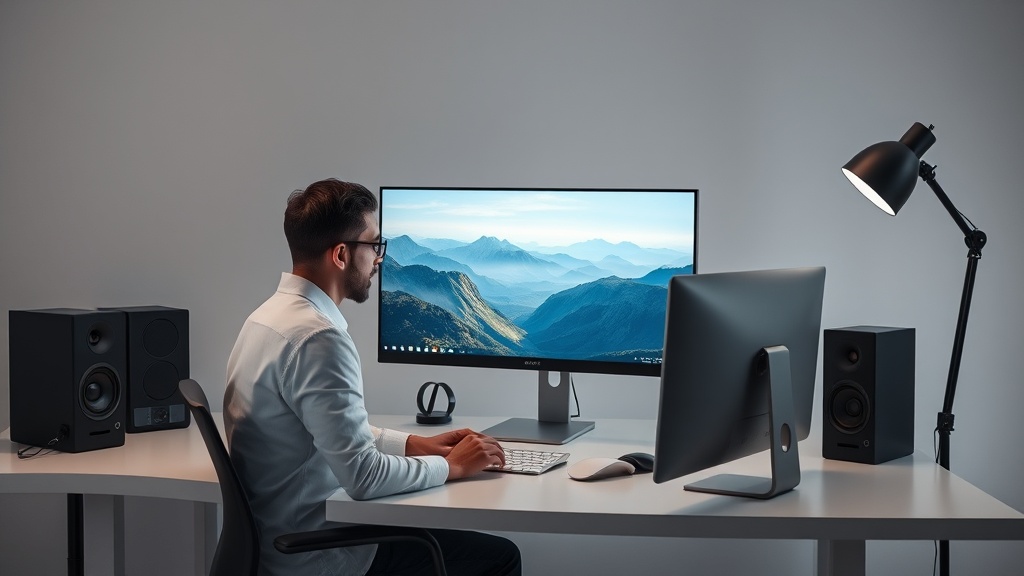
Generating stock photos with AI in 2026 has transformed from an experimental hobby into a cornerstone of professional content strategy. By leveraging sophisticated generative models, creators can now bypass the limitations of traditional stock libraries, producing bespoke, high-fidelity imagery that perfectly aligns with their brand identity without the recurring costs of licensing fees.
This guide explores the current landscape of AI image generation, providing you with the technical expertise and strategic framework needed to create professional-grade visuals for your websites, social media, and marketing campaigns.
The Evolution of AI Image Generation in 2026
The technology behind AI image synthesis has matured significantly over the last few years. In 2026, we are no longer dealing with the "uncanny valley" artifacts that plagued early models. Modern diffusion models now possess a sophisticated understanding of lighting, texture, and composition, allowing them to mimic specific camera hardware—from vintage film stocks to modern mirrorless digital sensors.
What makes this shift so significant is the integration of "style consistency" features. In previous years, generating a series of images with a unified look was notoriously difficult. Today, top-tier platforms offer style reference tools, allowing you to upload a brand aesthetic or a specific color palette that the AI will apply across all generated assets. This is a game-changer for businesses that need a cohesive visual language across their landing pages and blog posts.
Selecting the Right Tool for Your Workflow
Choosing the right platform depends largely on your technical comfort level and the specific commercial requirements of your projects. While some tools are built for raw creative power, others prioritize ease of use and business-ready features like built-in upscaling and enterprise-grade licensing.
Top Categories of AI Image Generators
- Creative Powerhouses: These platforms offer deep control over parameters, including aspect ratios, negative prompts, and lighting nodes. They are ideal for designers who need specific, high-end results.
- All-in-One Marketing Suites: These tools combine image generation with design templates, brand kits, and social media scheduling. They are perfect for small business owners who need to move quickly.
- Developer-First APIs: For larger organizations, these tools allow for the integration of image generation directly into existing CMS or internal asset management systems.
| Feature Type | Creative Powerhouses | Marketing Suites | API Solutions |
|---|---|---|---|
| Ease of Use | Moderate | High | Low |
| Customization | Very High | Moderate | High |
| Workflow Speed | Moderate | Very Fast | Variable |
| Pricing Model | Subscription | Subscription/Credit | Usage-based |
Mastering Prompt Engineering for Photorealism
The secret to generating stock photos that don't "look like AI" lies in the specificity of your prompt. A generic request like "a person working in an office" will almost always result in an overly polished, generic image. To get professional results, you must act as a director, defining the scene, the lighting, and the camera hardware.
The Anatomy of a Perfect Prompt
- The Subject: Be granular. Instead of "a person," use "a mid-30s software engineer with glasses."
- The Environment: Specify the setting's mood. Include details like "sun-drenched modern workspace" or "dimly lit industrial loft."
- The Camera Specs: This is where the magic happens. Use terms like "85mm lens," "f/1.8 aperture," "shallow depth of field," and "shot on Fujifilm GFX 100S."
- The Lighting: Describe the light source. "Golden hour backlighting," "soft overhead office lighting," or "dramatic rim lighting" changes the entire tone of the image.
Managing Copyright and Commercial Licensing
One of the most common concerns for businesses is the legal standing of AI-generated content. As of 2026, the legal framework is clearer but still requires due diligence. Most reputable AI platforms provide a "commercial use license" as part of their paid subscription tiers. This means that while you might not hold a traditional copyright on the image, you have a legal right to use it for your commercial marketing materials.
Always verify the platform's Terms of Service regarding "indemnification." Some enterprise-focused tools offer legal protection, promising to defend you if a third party claims the AI output infringes on their intellectual property. If you are operating at scale, choosing a platform that offers this type of protection is a worthwhile investment to mitigate risk.
Scaling Content Production with Batch Generation
Once you have established your "prompt recipe," the next step is scaling. If you need 50 images for a series of blog posts, don't generate them one by one. Many modern tools now support "batch prompting" or "parameter sweeping," where you can define a base prompt and ask the AI to vary the subject or the environment across a series of iterations.
Practical Steps for Batch Success:
- Iterate on a Single Prompt: Spend 30 minutes testing variations until you find the perfect camera and lighting combination.
- Lock Your Variables: Use a "seed" number if your tool supports it. A seed number keeps the composition and style consistent while you swap out the subject or the background.
- Establish a Style Guide: Keep a document of your most successful prompts. This acts as a "visual brand guide" for your AI efforts, ensuring that every image you generate in 2026 feels like it belongs to the same family.
The Ethics of AI-Generated Imagery
Using AI to generate stock photos comes with a responsibility to maintain authenticity. In an era where digital content is increasingly synthetic, audiences are developing a keen eye for AI artifacts. It is an expert-level practice to use AI to generate the base of your image, then bring it into an editing tool to fix minor anatomical errors or add real-world elements like specific brand colors or textures.
Transparency is also becoming a competitive advantage. If your brand relies on photography to build trust, consider disclosing when images are AI-generated. This builds rapport with your audience and positions your company as a transparent, forward-thinking leader in the AI space.
Troubleshooting Common AI Image Issues
Even with the best tools, you will occasionally encounter "hallucinations"—those weird, impossible details like extra fingers, floating objects, or nonsensical text. The most effective way to handle these is to use "In-painting" features. Instead of regenerating the entire image, use a brush tool to mask the problematic area and re-prompt only that specific section.
Another common issue is "over-smoothing." AI images often look too clean, which can feel sterile. To fix this, consider applying a subtle grain or texture overlay in post-production. Adding a touch of digital noise or a slight color grade can bridge the gap between a synthetic generation and a photograph, making your content feel grounded and professional.
Final Thoughts
The ability to generate your own high-quality stock photos is arguably the most impactful skill a digital marketer can acquire in 2026. It removes the bottleneck of waiting for stock sites to update their libraries and allows for a level of creative freedom that was previously reserved for high-budget photography shoots.
By treating AI image generation as a deliberate craft—focusing on camera settings, lighting, and consistent brand aesthetics—you can stop searching for the "perfect" stock photo and start creating it. Start by experimenting with one of the top-tier platforms today, and don't be afraid to iterate on your prompts until the results align perfectly with your vision. If you're ready to elevate your content, pick a tool, define your visual style, and start building your custom asset library now.
Frequently Asked Questions
Are AI-generated images considered royalty-free?
Most AI platforms grant you commercial rights to the images you generate, meaning you own the output. However, you should always check the specific Terms of Service of your chosen platform to ensure you have full commercial usage rights.
Can I copyright AI-generated stock photos?
In most jurisdictions, including the US, images created entirely by AI without significant human creative input cannot be copyrighted. They generally fall into the public domain or remain subject to the platform's specific user agreement.
What is the best prompt strategy for realistic stock photos?
Focus on camera settings, lighting, and subject details. Include terms like 'shot on 35mm lens,' 'natural lighting,' and 'depth of field' to move away from the 'AI look' and toward professional photography standards.

Nethmina is the founder of AI Tools Wire and an AI software developer who builds automation tools and tests new AI products hands-on every week.
📬 Get new articles by email
Subscribe for the latest AI tools, guides, and tips. No spam — unsubscribe anytime.
Related Articles
How to Create Memes with AI in 2026: Viral Humor Made Easy
Learn how to create memes with AI in 2026 using the latest generative tools. Discover workflows for viral humor, high-quality visuals, and rapid social growth.
How to Write Children’s Stories with AI in 2026: A Pro Guide
Master how to write children’s stories with AI in 2026. Learn to craft engaging narratives, develop relatable characters, and use advanced tools effectively.

How to Generate Email Subject Lines with AI in 2026: 7 Expert Tips
Learn how to generate email subject lines with AI in 2026 to skyrocket your open rates. Discover expert prompt engineering, testing strategies, and best tools.