
How to Write Wedding Speeches with AI in 2026: A Pro Guide
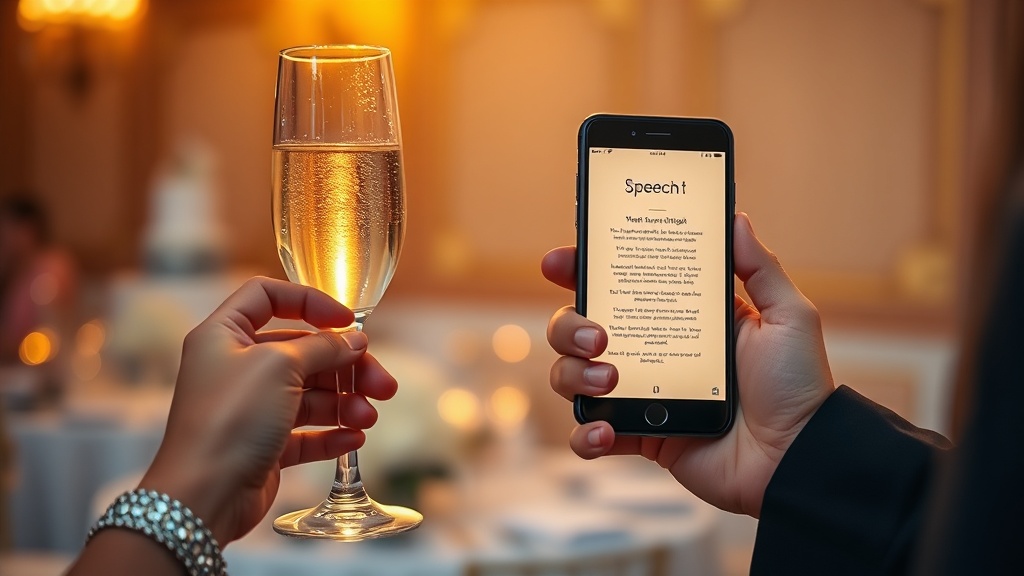
Learning how to write wedding speeches with AI in 2026 has transformed a task once dreaded by best men and maids of honor into an opportunity for creative, heartfelt storytelling. By leveraging advanced natural language processing, you can now bypass the paralyzing "blank page syndrome" and craft a toast that balances humor, sentiment, and perfect pacing without needing a degree in creative writing.
The landscape of wedding speech preparation has evolved significantly over the last few years. Today’s AI tools are no longer just simple text generators; they have become sophisticated partners that understand tone, audience engagement, and the specific cadence of a speech delivered in front of a crowd. This guide will walk you through the process of blending machine-assisted structure with your own human warmth to deliver a speech that leaves the room in tears—or stitches.
The Evolution of Speechwriting in the AI Era
In the past, writing a wedding speech meant scouring library books for tired cliches or copying jokes from outdated internet forums. In 2026, the paradigm has shifted toward personalization. AI models now allow you to input specific "data points"—such as how you met the couple, a funny travel disaster, or the way the groom looks at the bride—and synthesize them into a narrative arc that feels entirely bespoke.
The primary advantage of using AI is not just speed, but structural integrity. A great wedding speech requires a beginning that grabs attention, a middle that provides context, and a conclusion that lands with emotional weight. AI excels at mapping out these sections, ensuring you don't ramble for ten minutes or forget to mention the parents of the bride. By utilizing these tools, you are essentially hiring a professional editor to refine your raw thoughts into a polished performance piece.
Step-by-Step: Prompting for Personalization
The quality of your output depends entirely on the quality of your input. When using tools like ChatGPT, Claude, or specialized wedding-focused AI assistants, you must move beyond generic prompts like "write a funny wedding speech." Instead, treat the AI like a co-writer who needs a briefing.
- Define the Persona: Tell the AI who you are (e.g., "I am the groom’s slightly sarcastic but deeply caring older brother").
- Provide Specific Anecdotes: Input 3-5 bulleted stories. Don't worry about grammar here; just get the facts down.
- Set the Tone: Specify the balance between humor and sentiment. For example, "80% heartwarming, 20% lighthearted roasts."
- Identify the Audience: Mention if the crowd is mostly family, includes coworkers, or has a specific cultural context that needs to be respected.
- The "Human" Constraint: Explicitly instruct the AI to use simple, conversational language rather than flowery, overly formal prose.
Balancing Humor and Sentimentality
One of the most common mistakes in wedding speechwriting is failing to find the "sweet spot" between laughing and crying. AI is excellent at generating jokes, but it often leans toward "dad jokes" or generic observations about marriage. Your job is to curate the humor to ensure it lands safely.
To master this balance, use the AI to generate a list of "warm-up" jokes, then choose the ones that align with your specific relationship with the couple. If you are the maid of honor, focus on shared history. If you are the best man, focus on the couple’s growth. Use the AI to draft a "bridge" between the funny parts and the sentimental parts. A good transition might look like, "While we’ve had our share of ridiculous adventures, the reason I know this marriage will last is because I’ve seen how [Partner Name] brings out the best in [Partner Name]."
Comparison of AI Writing Approaches
| Feature | Human-Only Approach | AI-Assisted Approach |
|---|---|---|
| Drafting Time | 5–10 hours | 45–90 minutes |
| Structure | Often prone to rambling | Highly structured and logical |
| Originality | High (but risky) | High (with human curation) |
| Tone Control | Natural but inconsistent | Consistent but needs human polish |
| Writer's Block | High risk | Minimal risk |
Refining the AI Draft into Your Voice
Once the AI produces a draft, your real work begins. An AI-generated speech often sounds a bit too "perfect" or grammatically rigid. To make it sound like you, you need to "de-robotize" the text. Start by reading the entire speech out loud. Wherever you stumble, the phrasing is likely too complex or unnatural.
Replace the AI’s suggested adjectives with your own vocabulary. If the AI says, "They share a profound connection," change it to something you would actually say, like, "They just get each other in a way that’s honestly annoying to watch." These small tweaks are what make the difference between a generic template and a speech that brings the house down. Remember, the AI provides the skeleton; you must provide the soul.
The Secret Technique: Using AI for Pacing
A common expert tip is to use AI to analyze the "rhythm" of your speech. You can ask an AI tool to "identify areas where the speech might be too slow or where the emotional intensity needs a break." AI can detect patterns in your sentences—if every sentence starts with "I," the speech will sound monotonous.
Ask the AI to rewrite specific paragraphs to vary the sentence length. Short, punchy sentences create humor and impact; longer, more flowing sentences are better for heartfelt tributes. By having the AI highlight these patterns, you can adjust the flow to ensure you aren't just reciting facts, but performing a narrative that keeps the audience engaged from the first word to the final toast.
Handling Potential Pitfalls and "AI Traps"
While AI is a powerful tool, it has limitations that you must be aware of to avoid a social disaster. First, avoid the "hallucination" trap. AI might invent stories or facts to fill in gaps if your prompt is too vague. Always fact-check every single detail. If you tell the AI to include a story about a trip to Paris, make sure it doesn't accidentally invent a detail about the Eiffel Tower that you never actually visited.
Second, be very careful with humor. AI doesn't understand the nuance of "in-jokes" or the sensitivities of certain family members. Never let the AI generate a roast without your personal sign-off. If a joke feels even slightly mean-spirited or risky, delete it. The goal is to celebrate the couple, not to prove how witty the AI (or you) can be.
Final Thoughts
The goal of using AI in 2026 is not to replace your voice, but to amplify it. By offloading the structural heavy lifting to an AI assistant, you free up your mental energy to focus on what truly matters: the delivery and the emotional connection with the couple. When you step up to the microphone, the confidence you feel will come from knowing your speech is well-structured, perfectly timed, and deeply personal. Embrace the technology to handle the logistics, but always keep your hand on the wheel to ensure the final product is a reflection of your unique bond with the newlyweds. Start your draft today, keep it authentic, and raise your glass with total confidence.
Frequently Asked Questions
Can AI really capture my personal relationship with the couple?
AI cannot inherently know your memories, but it acts as a structured framework. When you feed it specific anecdotes and personality traits, it excels at organizing those raw details into a cohesive, rhythmic narrative.
Is it considered cheating to use AI for a wedding speech?
Not at all. Think of AI as a professional writing coach rather than a ghostwriter. It helps overcome writer's block and ensures your timing is professional, but the heart of the speech remains your unique story.
How do I make an AI-generated speech sound less robotic?
The secret is in the 'human-in-the-loop' editing phase. Read the speech aloud to catch awkward phrasing, replace generic adjectives with specific memories, and inject your own colloquialisms to ensure it sounds like you.

Nethmina is the founder of AI Tools Wire and an AI software developer who builds automation tools and tests new AI products hands-on every week.
📬 Get new articles by email
Subscribe for the latest AI tools, guides, and tips. No spam — unsubscribe anytime.
Related Articles

How to Create Memes with AI in 2026: Viral Humor Made Easy
Learn how to create memes with AI in 2026 using the latest generative tools. Discover workflows for viral humor, high-quality visuals, and rapid social growth.

How to Write Children’s Stories with AI in 2026: A Pro Guide
Master how to write children’s stories with AI in 2026. Learn to craft engaging narratives, develop relatable characters, and use advanced tools effectively.

How to Generate Email Subject Lines with AI in 2026: 7 Expert Tips
Learn how to generate email subject lines with AI in 2026 to skyrocket your open rates. Discover expert prompt engineering, testing strategies, and best tools.