
Grok vs Suno: Which AI Is Better for Creative Content in 2026?
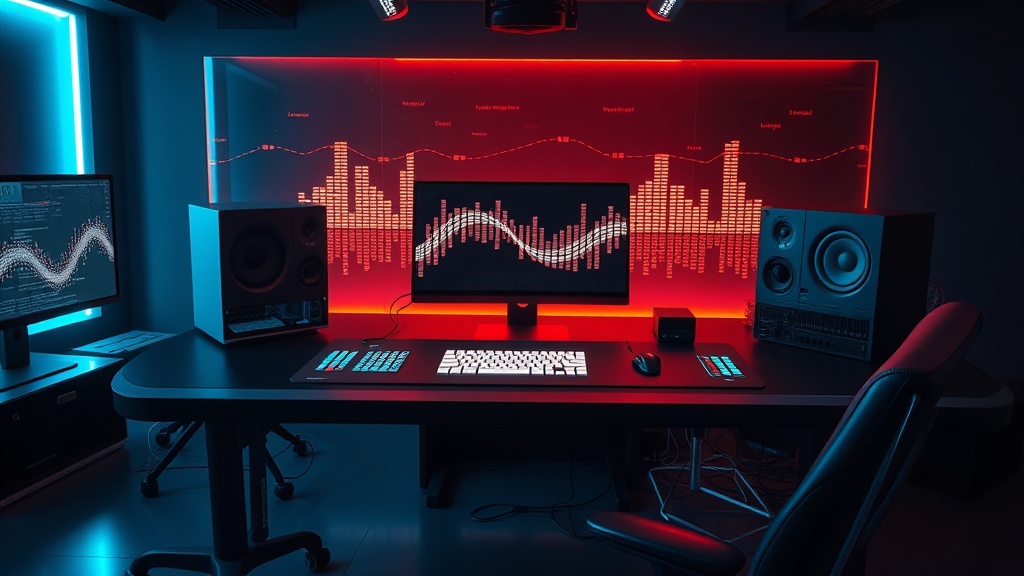
Choosing between Grok vs Suno for creative content in 2026 requires understanding that these tools serve fundamentally different domains of the generative AI landscape. While both are powerful, they are not direct competitors; rather, they are specialized instruments in a modern creator’s toolkit. Grok acts as a high-velocity reasoning engine for text and data, while Suno serves as a dedicated creative engine for audio and musical production.
To maximize your output, you must identify whether your immediate creative bottleneck is linguistic or auditory. This comparison explores how these two platforms have evolved by 2026 and how you can integrate them into a cohesive workflow that leverages the strengths of both.
The Core Philosophy: Language Intelligence vs. Audio Synthesis
Grok, developed by xAI, is built on a foundation of real-time data integration and conversational nuance. In 2026, its primary value lies in its ability to process massive amounts of current information, synthesize complex concepts, and adopt specific tones of voice for high-quality writing. It is the architect of your creative project, capable of drafting scripts, brainstorming marketing angles, and fact-checking complex narratives against real-time web data.
Suno, conversely, operates as a specialized generative model for audio. It does not "reason" in the way an LLM does; instead, it translates natural language prompts into structural musical compositions. Its architecture is tuned for rhythm, melody, harmony, and timbre. When you use Suno, you are essentially offloading the complex technical burden of music theory and sound engineering to an agent that understands how to structure a chorus, bridge, or verse based on your stylistic direction.
Evaluating Grok for Textual and Strategic Creativity
When it comes to the written word, Grok has matured into a sophisticated collaborator. By 2026, its ability to maintain long-context windows allows it to handle massive creative projects, such as full-length white papers, multi-part video scripts, or serialized storytelling. Its hallmark remains its connection to live, unfiltered internet data, which makes it an exceptional tool for creators who need their content to feel timely and culturally relevant.
Strengths of Grok
- Real-time Context: Grok excels at pulling in current trends, meaning your content doesn't just sound generic—it sounds like it was written today.
- Tone Flexibility: Whether you need a dry, technical breakdown or a witty, satirical social media post, Grok’s personality-tuning capabilities allow for high-fidelity output.
- Reasoning Depth: Unlike basic text generators, Grok can navigate complex logical dependencies, making it ideal for outlining structured arguments or creative plot points.
Strategic Use Cases
The best way to use Grok is as a "creative partner" rather than a simple chatbot. You should provide it with your core research, ask it to synthesize that research into specific formats, and then iterate on the tone. For example, if you are planning a YouTube series, use Grok to generate the episode arc, the script, and the SEO-optimized video description simultaneously.
Evaluating Suno for Musical and Auditory Creativity
Suno has redefined how independent creators approach sound design. By 2026, its capability to generate full, studio-quality tracks—including vocals, instrumentals, and complex song structures—has lowered the barrier to entry for high-quality media production. If your content requires a soundtrack, a branded podcast intro, or original music for a video project, Suno is the industry leader.
Strengths of Suno
- End-to-End Composition: You don't need to know how to play an instrument or use a DAW (Digital Audio Workstation). You simply describe the vibe, the genre, and the lyrics, and the model handles the rest.
- Vocal Synthesis: The quality of the AI-generated vocals has improved to the point where they can convey distinct emotions, from melancholic ballads to high-energy pop anthems.
- Iterative Refinement: Suno allows you to "extend" tracks, meaning you can build a song section by section, refining the transition from verse to chorus until it sounds perfect.
Strategic Use Cases
Suno is most effective for creators who need custom assets that avoid copyright issues. Instead of browsing royalty-free libraries for hours, you can prompt Suno to create a specific "lo-fi hip-hop track with a jazz undertone for a tech review video." This level of customization ensures your audio branding is entirely unique to your platform.
Side-by-Side Comparison: Grok vs. Suno
| Feature | Grok | Suno |
|---|---|---|
| Primary Output | Text, Code, Logic | Music, Vocals, Audio |
| Best For | Research, Writing, Strategy | Soundtracks, Jingles, Songs |
| Data Source | Real-time Web/Social | Neural Audio Patterns |
| User Skill Level | Low to Medium | Low (Prompting focus) |
| Integration | High (API/Chat) | Medium (Audio export) |
Integrating Both into a Unified Workflow
The most effective creative strategy in 2026 involves using these tools in tandem. Consider a scenario where you are launching a new digital product. You start by using Grok to perform the market research, identify your target audience's pain points, and write the script for a promotional video. Once the script is finalized, you move to Suno to generate a custom, high-energy backing track that matches the tone of the script you just created.
Step-by-Step Workflow Implementation
- Ideation: Use Grok to brainstorm themes, slogans, and campaign goals based on current market trends.
- Drafting: Utilize Grok to write the script, identifying key "beats" where music should swell or change tempo.
- Audio Generation: Input the emotional cues and structural requirements into Suno to generate the base audio assets.
- Refinement: Use Grok to write the final metadata, tags, and description for your finished content piece.
- Assembly: Import your text-based copy and audio assets into your video editing software to finalize the production.
Pricing and Accessibility Considerations
Most AI platforms in the current ecosystem, including Grok and Suno, operate on a tiered subscription model. Grok is typically bundled within broader premium social media platform subscriptions, making it highly accessible if you are already an active user of those networks. Its value is tied to your ability to access its "premium" or "pro" modes for deeper reasoning and longer context windows.
Suno generally offers a freemium model. You can generate a limited number of tracks for free to test the quality and capability of the model. Paid tiers typically start in the low single-digit dollars per month, providing you with more generation credits and, crucially, commercial usage rights. For professional creators, the paid tier is essential to ensure you own the output for your commercial projects.
Pros and Cons: A Balanced Perspective
Grok
- Pros: Exceptional at real-time data; deep conversational reasoning; excellent for long-form content.
- Cons: Not designed for media/audio; can occasionally be too "opinionated" depending on the system prompt.
Suno
- Pros: Industry-leading audio fidelity; incredibly fast generation times; simplifies complex music theory.
- Cons: Limited to audio; no inherent ability to understand or write long-form strategic content.
Final Thoughts
When comparing Grok vs Suno in 2026, the verdict is clear: they are complementary, not competing. If you are focused on the "what" and "why" of your content—the strategy, the narrative, and the research—Grok is your primary engine. If you are focused on the "vibe" and the sensory experience—the sound, the mood, and the retention—Suno is your essential partner.
The smartest creators are not choosing between the two; they are using Grok to sharpen their message and Suno to amplify their presence. By mastering the prompt engineering required for both, you can produce professional-grade creative content that would have required an entire production team just a few years ago. Start by integrating one into your existing workflow this week and observe how your creative velocity increases.
Frequently Asked Questions
Can Grok generate high-fidelity music like Suno?
No, Grok is primarily a large language model focused on textual intelligence, real-time data, and conversational reasoning. It lacks the specialized audio synthesis architecture required to produce professional-grade music tracks.
Is Suno capable of writing long-form creative blog posts?
Suno is designed for musical composition and lyrical structure. While it can generate lyrics, it cannot produce coherent, long-form prose or factual blog content, which is where Grok excels.
Do I need both tools to build a complete creative brand?
Many creators use both: Grok to handle research, scriptwriting, and social media strategy, and Suno to produce custom soundtracks, jingles, or audio assets for their content.
Our Rating

Nethmina is the founder of AI Tools Wire and an AI software developer who builds automation tools and tests new AI products hands-on every week.
📬 Get new articles by email
Subscribe for the latest AI tools, guides, and tips. No spam — unsubscribe anytime.
Related Articles
CapCut AI vs Synthesia: Which Video Tool Wins in 2026?
Comparing CapCut AI vs Synthesia to help you choose the right video editor for your needs. Discover which tool excels at creative editing versus AI avatars.
Canva AI vs Perplexity: Which Tool Boosts Productivity in 2026?
Comparing Canva AI vs Perplexity to see which helps you design and research faster. Discover the best AI workflows for your creative and analytical projects.
Copy.ai vs Notion AI 2026: Which Tool Wins for Content Teams?
Comparing Copy.ai vs Notion AI in 2026 to help your content team choose the right AI assistant for workflow automation, long-form writing, and project management.