
Pika vs ElevenLabs: The 2026 AI Creative Powerhouse Showdown
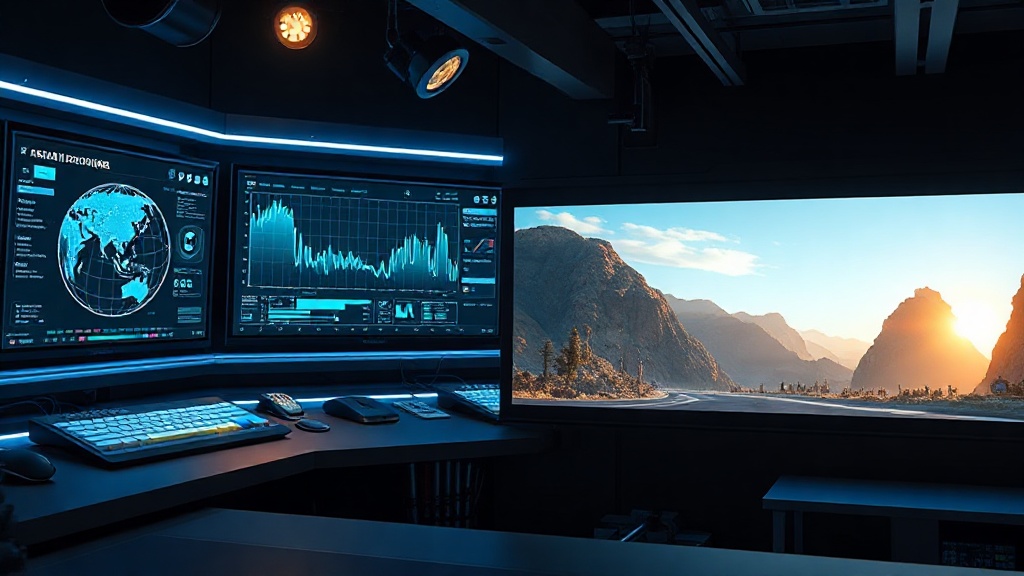
Choosing the right tools for your digital creative stack has become increasingly complex as the landscape of generative AI evolves. When comparing Pika vs ElevenLabs in 2026, it is essential to understand that while both are leaders in their respective fields, they serve fundamentally different functions in the multimedia production pipeline. Pika specializes in high-fidelity video generation and animation, while ElevenLabs has set the gold standard for synthetic voice and audio synthesis.
Understanding the specific strengths of these platforms allows creators to bypass the trial-and-error phase and build a professional-grade workflow. Whether you are an independent filmmaker, a social media strategist, or a corporate marketing lead, knowing how to leverage these two powerhouses—either individually or in tandem—will define the quality of your output in the competitive digital landscape of 2026.
The Core Philosophy: Motion vs. Voice
At their foundation, Pika and ElevenLabs solve different problems. Pika is built for visual storytelling, utilizing sophisticated diffusion models to translate text or images into moving video frames. Its design philosophy centers on motion control—giving the user the ability to influence camera pans, zooms, and object movement within a frame. It is effectively a digital puppet master for creators who lack the time or budget for traditional 3D animation.
ElevenLabs, conversely, focuses on the auditory experience. It has moved far beyond simple text-to-speech to become an end-to-end audio platform. Its core philosophy is emotional resonance; the platform aims to capture the cadence, breath, and inflection of human speech. By focusing strictly on sound, ElevenLabs has achieved a level of nuance that makes it difficult for listeners to distinguish between a synthetic voice and a professional voiceover artist in a recording booth.
Pika: Mastering the Art of AI Video
Pika has transformed from a simple animation tool into a comprehensive video generation suite. In 2026, its primary advantage lies in its "motion brush" and "camera control" features, which allow users to specify exactly what parts of an image should move and how the frame should shift. This level of granularity is what separates a generic AI video generator from a professional editing tool.
Key Features for Visual Creators
- Motion Control: Users can highlight specific elements in a static image and dictate their movement patterns.
- Lip-Sync Integration: Pika allows for basic character animation where the visual mouth movement aligns with provided audio tracks.
- Consistency Tools: Advanced settings help maintain character and style consistency across multiple shots, which is vital for long-form video projects.
The learning curve for Pika is moderate. While you can get decent results with simple prompts, the real "magic" happens when you utilize reference images and custom motion paths. If you are trying to create a narrative film or a consistent brand aesthetic, spending time mastering the prompt-to-video workflow is a non-negotiable investment.
ElevenLabs: The Benchmark for Synthetic Audio
ElevenLabs remains the undisputed leader in voice synthesis. By 2026, their platform has expanded into sound effect generation and voice cloning that is virtually indistinguishable from the real thing. The primary strength of ElevenLabs is its "Projects" workflow, which allows for long-form content creation like audiobooks or podcasts, where maintaining the same voice character across hours of content is critical.
Why ElevenLabs Wins in Audio
- Voice Design: You can generate entirely new, unique voices from scratch rather than just choosing from a library of pre-set models.
- Emotional Range: The platform allows users to adjust stability, clarity, and style exaggeration, which is essential for dramatic reading or marketing copy.
- Multilingual Support: It handles global languages with a level of cultural context and accent accuracy that few competitors can match.
For creators, the "Voice Cloning" feature is the standout. By uploading a few minutes of clean audio, you can create a high-fidelity clone of your own voice, allowing you to record content once and translate it into dozens of languages while retaining your unique vocal identity.
Side-by-Side Comparison Table
| Feature | Pika (Video) | ElevenLabs (Audio) |
|---|---|---|
| Primary Output | MP4 Video / Animation | MP3 / WAV Audio |
| Input Methods | Text, Image, Video to Video | Text, Audio File, Voice Clone |
| Best For | Narrative Video, Social Media | Audiobooks, Voiceovers, Ads |
| Control Level | High (Camera/Motion) | High (Tone/Inflection) |
| Consistency | Moderate (Requires practice) | Very High (Professional) |
Bridging the Gap: The Integrated Workflow
The most effective strategy in 2026 is not choosing one over the other, but integrating them into a unified pipeline. A professional workflow often looks like this:
- Scripting: Utilize an LLM to generate your script.
- Audio Production: Feed that script into ElevenLabs to generate a professional-grade voiceover.
- Visual Planning: Use the script to generate reference images for your video shots.
- Motion Generation: Import those images into Pika to animate the scenes.
- Synchronization: Use a video editor to align the ElevenLabs audio with your Pika-generated clips.
This approach creates a professional multimedia product that would have required a full production team just a few years ago. By treating ElevenLabs as your "Audio Engine" and Pika as your "Visual Engine," you can produce high-quality narrative content at a fraction of the cost of traditional media production.
Limitations and Trade-offs
No AI tool is perfect, and both Pika and ElevenLabs have limitations that creators need to be aware of. Pika, despite its advancements, still struggles with "hallucinations" in complex scenes—such as fingers morphing or physics-defying movements—if the prompt is too ambiguous. It requires a significant amount of "rerolling" to get a clean, usable clip for commercial projects.
ElevenLabs, while technically superior in audio, can sometimes struggle with extremely long, complex sentences where the breathing rhythm feels slightly unnatural. Additionally, there are significant ethical considerations regarding the cloning of voices. Both platforms require users to adhere to strict terms of service regarding copyright and the use of likenesses, which is a critical consideration for any commercial project.
Expert Tips for 2026 Optimization
If you want to get the most out of these tools, stop relying on basic "text-to-result" prompts. For Pika, always use an "Image-to-Video" approach. Start with a high-quality, AI-generated static image (from a tool like Midjourney) and use that as the foundation for your animation. This ensures that the visual style is locked in before you start dealing with the complexities of motion.
For ElevenLabs, the "secret sauce" is in the punctuation. AI voice models are incredibly sensitive to commas, periods, and ellipses. If a sentence sounds flat, don't just blame the model; insert a comma to force a natural pause or an ellipsis to create a trailing thought. Mastering the "grammar" of the AI is just as important as the prompt itself.
Final Thoughts
When evaluating Pika vs ElevenLabs, you aren't comparing competitors, but rather two essential components of a modern creative toolkit. Pika gives you the visual canvas to bring stories to life, while ElevenLabs provides the soul of the project through human-like voice synthesis. If you are limited by budget, start by identifying your biggest bottleneck: is your content suffering from poor visuals or a robotic, unengaging voice? Solve your primary pain point first, then layer in the second tool as your process matures. Both platforms offer free or trial tiers, so take the time to test your specific use case before committing to a subscription. Start your first integrated project today and see how these tools redefine your creative output.
Frequently Asked Questions
Can I use Pika and ElevenLabs together in one workflow?
Absolutely. Most professional creators use ElevenLabs to generate high-quality voiceovers and soundscapes, then import those assets into Pika or sync them during post-production to create a cohesive multimedia project.
Which tool is better for beginners?
Both tools are user-friendly, but ElevenLabs offers a more intuitive 'plug-and-play' experience for audio. Pika has a steeper learning curve due to the complexities of video prompting and motion control.
Do these tools require a powerful computer to run?
No, both are cloud-based platforms. You can run them via any modern web browser without needing a high-end GPU, as the heavy processing happens on their respective servers.
Our Rating

Nethmina is the founder of AI Tools Wire and an AI software developer who builds automation tools and tests new AI products hands-on every week.
📬 Get new articles by email
Subscribe for the latest AI tools, guides, and tips. No spam — unsubscribe anytime.
Related Articles

Leonardo AI vs Runway: Which AI Video Tool Wins in 2026?
Choosing between Leonardo AI vs Runway? We break down features, motion quality, and creator workflows to help you pick the best AI video generator for 2026.

DALL-E vs Stable Diffusion: Which AI Image Generator Wins in 2026?
Choosing between DALL-E and Stable Diffusion in 2026? We break down their capabilities, ease of use, and creative control to help you pick the right AI tool.
Gemini vs Midjourney: Which Generates Better Visuals in 2026?
Comparing Gemini vs Midjourney for visual content in 2026. Discover which AI excels at photorealism, artistic style, and workflow integration for your projects.