
Synthesia vs HeyGen: Which AI Avatar Generator Is More Realistic?
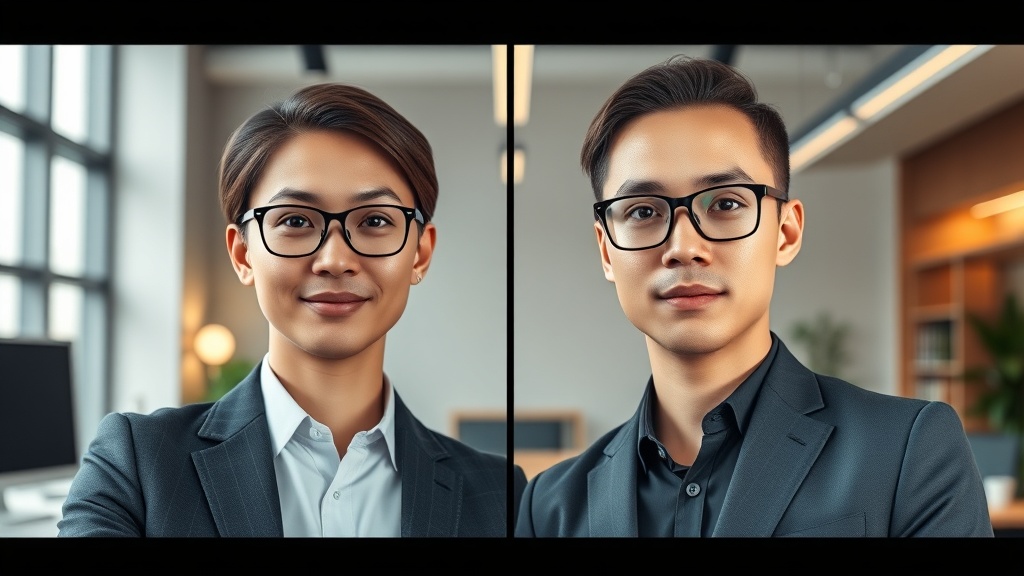
Choosing the right AI avatar generator has become a critical decision for content creators, marketers, and corporate trainers who need to scale production without the logistical nightmare of a traditional film set. When evaluating Synthesia vs HeyGen, the core of the debate often centers on which platform delivers the most authentic human-like presence. Both tools have evolved rapidly, moving from robotic, uncanny-valley movements to fluid, expressive digital humans that can handle complex scripts with surprising naturalism.
As a senior content strategist, I have spent hundreds of hours testing these platforms across various use cases, from internal corporate communications to high-conversion marketing videos. While both platforms utilize generative AI to synthesize speech and facial movements, their underlying models and artistic directions differ significantly. This guide will help you determine which tool aligns best with your specific quality standards and production workflows.
The Evolution of Photorealistic AI Avatars
The "realism" of an AI avatar is not just about the texture of the skin or the quality of the hair rendering; it is about the integration of micro-expressions, natural eye contact, and the organic cadence of human speech. Early iterations of AI avatars were easily identified by their stiff, repetitive gestures and lack of emotional depth. Today, the industry standard has shifted toward "emotional intelligence" in synthesis, where the avatar adjusts its facial muscles based on the sentiment of the script.
Synthesia has long been the gold standard for enterprise-level stability. Their avatars are typically filmed in high-end, controlled studio environments, which results in a very consistent, clean aesthetic. If your goal is to produce a series of training videos where the presenter needs to look professional and remain stationary, Synthesia’s approach to realism is unmatched. It feels like watching a high-quality broadcast news segment.
HeyGen, on the other hand, has taken a more aggressive approach to innovation. They have pushed the boundaries of what is possible with "instant avatars"—allowing users to create a digital twin from a simple smartphone recording. This creates a different kind of realism: the "vlogger" aesthetic. While it may not always look like a million-dollar studio production, it feels more authentic to the types of videos we consume on social media platforms like TikTok or Instagram.
Comparing Visual Quality and Rendering
When we talk about visual fidelity, we have to look at how these platforms handle lighting, skin texture, and eye movement. Synthesia’s rendering engine is optimized for stability. The shadows on the faces are consistent, and the "digital humans" rarely suffer from the flickering artifacts that sometimes plague lower-quality AI video tools. This makes them a safer bet for brands that cannot afford any technical glitches in their public-facing content.
HeyGen often leans into a more dynamic visual style. They offer a wider range of body language options and "pro" avatars that can perform specific hand gestures or posture shifts that make the performance feel less like a static talking head. However, this extra movement occasionally introduces subtle artifacts around the hands or clothing if the AI engine struggles to map the motion perfectly.
| Feature | Synthesia | HeyGen |
|---|---|---|
| Primary Aesthetic | Professional/Corporate | Dynamic/Social Media |
| Lip-Sync Accuracy | High (Consistent) | High (Expressive) |
| Custom Avatar Creation | Studio-grade required | Smartphone-friendly |
| Gesture Control | Automated/Preset | Highly granular |
| Ideal For | Training, E-learning | Marketing, Social Content |
Lip-Syncing and Speech Realism
The most jarring aspect of poor AI video is a mismatch between the audio and the movement of the mouth. If the lips don't match the phonemes, the illusion of reality is shattered instantly. Both Synthesia and HeyGen have largely solved the "robotic mouth" problem, but they handle the nuances of speech differently.
Synthesia excels at pacing. Their avatars pause naturally at commas and periods, and they emphasize words in a way that feels intentional. This makes them excellent for instructional content where clarity is more important than flair. If you are explaining a complex process or a company policy, you want an avatar that speaks with authority and steady, readable cadence.
HeyGen’s strength lies in its emotional range. If your script calls for excitement, sarcasm, or empathy, HeyGen’s engine is often more responsive to the underlying tone of the text. They have invested heavily in "voice cloning" technology that captures the breathiness and subtle intonations of a real human voice. When paired with their expressive avatars, the result is a video that feels more like a conversation and less like a lecture.
Ease of Use and Workflow Integration
Realism means very little if the software is too difficult to use. A tool that produces a 95% realistic avatar but takes ten hours of post-production to fix is less valuable than a 90% realistic tool that works in minutes. Synthesia is built as an "all-in-one" platform. You get the video editor, the avatar, and the voice synthesis in a single, well-oiled machine. It is essentially a PowerPoint-to-video pipeline.
HeyGen feels more like a creative studio. They offer a broader set of integrations, including connections to various AI image generators and scriptwriting tools. If you are a creator who likes to tinker with prompts and build complex workflows, HeyGen will feel more rewarding. However, for a corporate communications team that just needs to churn out fifty training videos by Friday, the simplified, rigid workflow of Synthesia is often a massive competitive advantage.
Step-by-Step: Creating Your First Avatar
- Script Preparation: Write your text, ensuring you include punctuation for natural pauses.
- Avatar Selection: Choose an avatar that fits the tone of your message (e.g., professional, casual, or enthusiastic).
- Voice Selection: Select an AI voice that matches the age and gender of your chosen avatar for maximum realism.
- Fine-Tuning: Use the platform's "pause" or "emphasis" tools to adjust the delivery of specific sentences.
- Preview and Render: Always run a 30-second preview to ensure the lip-sync looks natural before committing to a full-length render.
The Role of Custom Avatars
Both platforms allow you to upload your own video to train a custom avatar. This is the "holy grail" of AI video: having a digital version of yourself that can speak any language. This process requires a high-quality recording—usually with a 4K camera, a lapel microphone, and perfect lighting—to ensure the final model is realistic.
Synthesia’s custom avatar process is notoriously rigorous. They have strict quality control standards for the footage you submit. While this can be frustrating, it ensures that your final custom avatar looks as good as the platform's stock avatars. It is a "measure twice, cut once" approach.
HeyGen is slightly more flexible with their custom avatar training. They have mastered the ability to create a convincing likeness from lower-quality input, which is a testament to their machine learning models. If you don't have access to a professional studio, HeyGen’s custom avatar service is likely the path of least resistance.
Pricing Models and Scalability
Pricing for AI avatar platforms is rarely a simple "flat fee." Most providers offer a tiered subscription model based on usage minutes. Synthesia tends to target the mid-to-large enterprise market, with pricing that reflects its focus on security, collaboration tools, and consistent, high-end output. You are paying for the peace of mind that your brand assets will look professional every single time.
HeyGen offers a more accessible entry point for freelancers and small teams. Their pricing structure is often more granular, allowing you to pay for what you need without committing to a massive enterprise contract. This makes HeyGen a better choice for someone just starting out or for a marketing team that wants to experiment with AI video without a huge upfront investment.
Expert Tips for Maximum Realism
Regardless of whether you choose Synthesia or HeyGen, the "AI look" is often a result of user error rather than software limitation. Here are three expert tips to ensure your videos don't look like they were generated by a machine:
- Avoid Over-Scripting: Keep sentences relatively short. AI avatars struggle with extremely long, complex paragraphs that require excessive breath control.
- The "Human" Background: If possible, use a real-world office or home office background rather than a generic stock photo. The slight blur and natural lighting of a real environment help "ground" the avatar in reality.
- Vary the Gestures: If the platform allows for gesture control, don't just leave it on "auto." Manually insert gestures during transitions or when emphasizing a point to break the monotony of the talking head.
Final Thoughts
When deciding between Synthesia vs HeyGen, you aren't really choosing between a "good" tool and a "bad" tool; you are choosing between two different philosophies of digital communication. If your primary goal is professional, predictable, and high-fidelity output for corporate training or internal documentation, Synthesia remains the safest and most polished option. Its commitment to studio-grade consistency makes it the go-to for established businesses.
Conversely, if you are looking for creative flexibility, expressive performances, and a platform that feels like it is evolving at the speed of social media, HeyGen is the clear winner. Its ability to create high-quality avatars from simpler inputs and its focus on emotional range make it a powerful ally for content creators and marketers. I recommend starting with a trial on both platforms to see which avatar's "personality" resonates more with your brand voice.
Frequently Asked Questions
Which platform offers better lip-syncing accuracy?
Both platforms use advanced neural networks for lip-syncing, but HeyGen is often cited for slightly better micro-expressions, while Synthesia excels in consistent, professional-grade studio lighting and pacing.
Can I use these avatars for commercial projects?
Yes, both Synthesia and HeyGen offer commercial rights on their paid tiers, though you should always verify the specific licensing terms in your plan to ensure compliance for paid advertising.
Which tool is better for beginners?
Synthesia is generally considered more intuitive for corporate training and structured presentations, while HeyGen offers more creative flexibility and experimental features that may appeal to social media creators.
Our Rating

Nethmina is the founder of AI Tools Wire and an AI software developer who builds automation tools and tests new AI products hands-on every week.
📬 Get new articles by email
Subscribe for the latest AI tools, guides, and tips. No spam — unsubscribe anytime.
Related Articles
Suno vs CapCut AI: Which Is Best for Your 2026 Creative Workflow?
Choosing between Suno vs CapCut AI? We compare these powerful tools to help you decide which is best for audio generation and professional video editing.

Perplexity vs Grok: Choosing the Best AI Search Tool in 2026
Comparing Perplexity vs Grok in 2026 to help you choose the best AI search tool for real-time data, source transparency, and conversational accuracy.

Notion AI vs Canva AI: Which All-in-One Tool Wins for Creators?
Struggling to choose between Notion AI and Canva AI? We compare these powerhouses to help you find the best creative workflow for your productivity needs.